
Article Highlights
- ETL transforms data before loading it into a warehouse; ELT loads raw data first and transforms it inside the warehouse, the order changes more than it sounds.
- ELT is the default for cloud-native stacks (Snowflake, BigQuery, Redshift, Databricks), often processing 2–5x faster at scale.
- ETL still wins for compliance-heavy, sensitive, or on-prem data that must be filtered or masked before it lands anywhere.
- Most real-world data platforms in 2026 run both: ELT for analytics, ETL for anything that must be validated before storage.
- Under roughly 500GB/day with heavy cleansing needs, ETL is often the safer choice; beyond that, ELT usually wins on cost and speed.
The difference between ETL and ELT appears simple: transform data before loading it or load it first and transform it later. However, this sequence affects platform costs, compliance requirements, data availability, and the speed at which teams can deliver new reports.
ELT has become the default for cloud-native stacks, often processing data 2–5x faster at scale than traditional ETL. That doesn’t make it the right answer for every platform. This guide breaks down what should actually decide the choice.
Why the Order of Operations Matters
Picking the wrong pattern doesn’t just cost performance. It costs rework once the platform is already in production, and in regulated data it can create real compliance exposure. ETL and ELT solve the same underlying problem (get raw data into a usable, trustworthy state) but assume different things about where compute is cheap, how much you trust the destination system, and how sensitive the data is before it’s been cleaned. Getting the assumption wrong early is expensive to unwind later, since pipelines built around one pattern don’t casually convert to the other.
What Should Determine the Choice Between ETL and ELT?
1. Data Volume and Warehouse Platform
If the destination is a modern cloud data warehouse such as Snowflake, BigQuery, Redshift, or Databricks, ELT is generally a suitable option. It uses the warehouse’s computing capacity for data transformation instead of relying on a separate processing layer.
For smaller data volumes with extensive cleansing requirements, a traditional ETL tool can provide a simpler and more controlled process. The decision should account for expected growth as well as current data volume, since a pattern that works today can become expensive or slow as more sources and workloads are added.
2. Compliance and Data Sensitivity
ETL is better suited to situations where data must be filtered, masked, or validated before storage. This requirement is common in regulated industries where personally identifiable information, protected health information, or financial records cannot be stored in raw form, even temporarily.
ELT loads raw data before transformation, so access controls, encryption, masking policies, retention rules, and audit trails must be established at the destination. Teams should confirm that this model meets their internal governance and regulatory requirements before implementation.
3. Team Skill Set
ELT moves transformation logic into SQL within the warehouse. The team therefore needs strong SQL, data modeling, orchestration, testing, and warehouse optimization skills in addition to experience building pipelines.
A team accustomed to traditional ETL tools can require additional training before it can manage ELT workloads effectively. Without the right expertise, slow queries, inefficient models, and poorly controlled compute usage can limit the expected performance and cost benefits.
4. Cost Model Fit
ETL tools often charge per connector, processing core, or volume of transferred data. These costs can increase as the number of sources and pipelines grows.
ELT shifts much of the processing cost to the warehouse. The company pays for the computing resources used during transformation, which can be cost-effective at scale. However, inefficient queries, repeated processing, and missing workload controls can increase warehouse expenses. Cost estimates should reflect actual volumes, refresh frequency, transformation complexity, and expected growth.
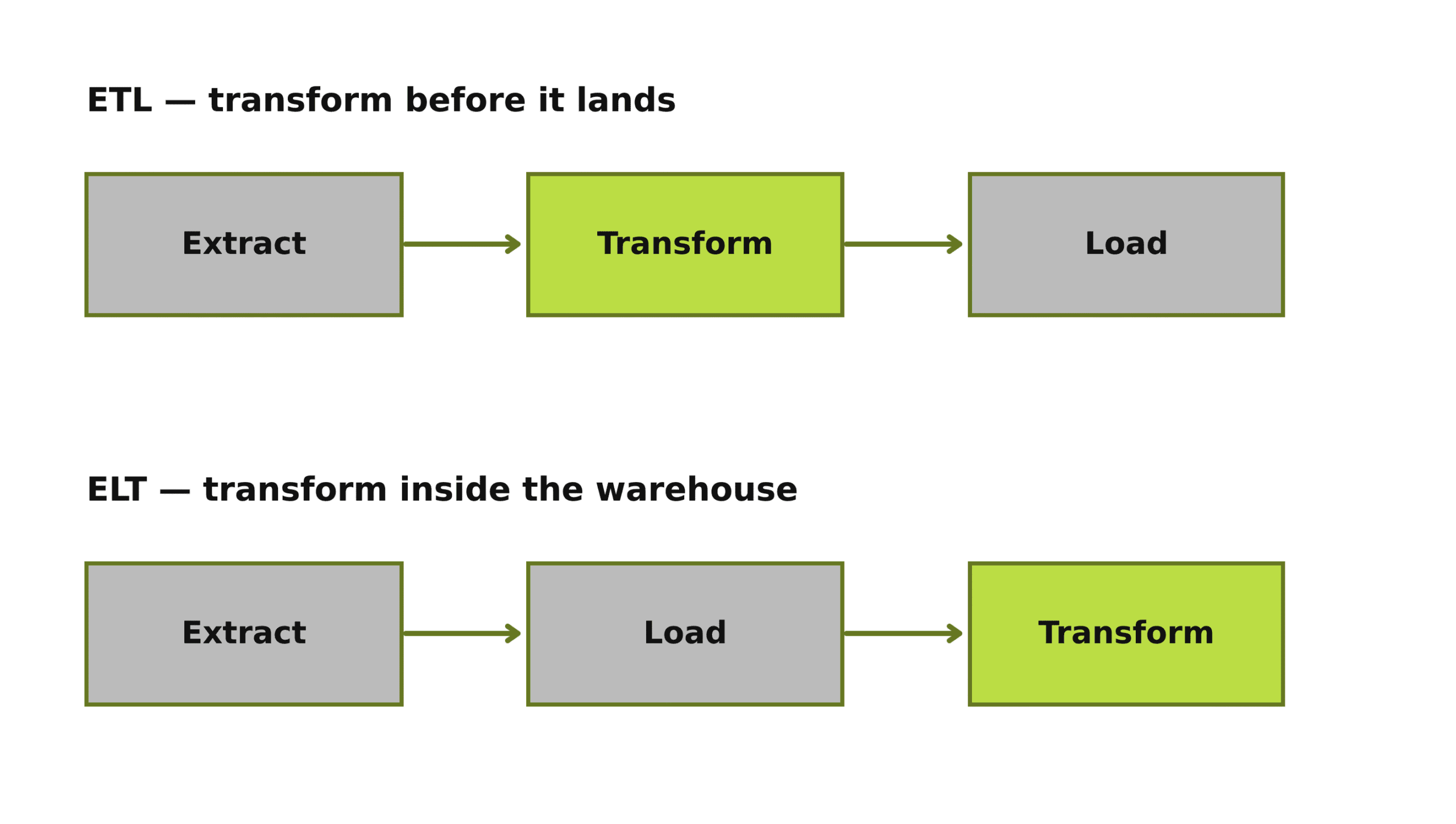
Image 1. The same three steps, in a different order and a different cost and compliance profile.
ETL vs. ELT: Side-by-Side Comparison
The differences between ETL and ELT extend beyond the order of the three processing stages. The table below compares where transformation occurs, which platforms each approach supports best, how they handle sensitive data, and what they require from the team. These factors should be assessed together, since no single criterion is sufficient to determine the right approach.
| Dimension | ETL | ELT |
|---|---|---|
| Transform happens | Before loading, in a separate processing layer | After loading, inside the warehouse |
| Best warehouse fit | On-prem, legacy, or non-SQL/ML destinations | Cloud-native warehouses (Snowflake, BigQuery, Redshift, Databricks) |
| Compliance fit | Strong — data can be filtered/masked before landing | Weaker for raw sensitive data unless masked pre-load |
| Performance at scale | Slower for very large volumes | 2–5x faster for large-scale, terabyte-class processing |
| Cost model | Often per-connector or per-core licensing | Pay-for-compute inside the warehouse |
| Team skill required | Pipeline/ETL tooling expertise | Strong SQL and warehouse optimization skills |
Benefits and Common Mistakes
Benefits of Choosing Deliberately
Lower total cost at the right scale. Matching the pattern to actual data volume avoids both over-licensing ETL tools and runaway warehouse compute costs.
Compliance built in, not retrofitted. Choosing ETL where filtering must happen pre-load avoids a costly redesign later.
Faster time-to-insight. ELT’s raw-data-first approach preserves data for use cases nobody’s thought of yet, without a pipeline rebuild.
Right-sized team investment. Knowing which skill set the chosen pattern requires avoids hiring or training for the wrong one.
Most real platforms don’t pick one exclusively. Run ELT for analytics and iterative reporting, and ETL for anything that must be validated or masked before it’s stored — a hybrid model is normal, not a compromise.
Don’t adopt ELT because it’s the default cloud pattern if the team lacks the SQL and warehouse-optimization skills to actually get its performance and cost benefits. Without that skill set, ELT can cost more than the ETL tool it replaced.
ELT’s “load raw, transform later” model means sensitive data sits in the warehouse in raw form, even briefly. Confirm this is acceptable under your compliance framework before defaulting to it.
Common Mistakes
Choosing ELT purely because it’s trendy. Without a cloud-native warehouse and the SQL skills to use it, ELT doesn’t deliver the performance or cost benefits it’s known for.
Sticking with ETL out of habit. Legacy ETL licensing costs can quietly outpace what a modern warehouse would have charged for the same transformation.
Ignoring the hybrid option. Treating this as an all-or-nothing decision misses the pattern most mature data platforms actually use.
Underestimating compliance exposure. Loading unmasked sensitive data into a warehouse “to transform later” can create audit findings even if the final output is clean.

Checklist Before You Select an Approach
- Estimate the current daily data volume and its expected growth.
- Confirm whether the destination platform supports efficient in-platform transformation.
- Identify fields that must be filtered, validated, encrypted, or masked before storage.
- Assess the team’s SQL, data modeling, orchestration, and warehouse optimization skills.
- Compare connector and processing licenses with warehouse compute and storage costs at the expected volume.
- Determine if a hybrid model is more appropriate for workloads with different compliance and latency requirements.
- Define monitoring for pipeline failures, data quality, transformation time, and compute usage before implementation.
- Bring in execution capacity if the platform needs to be built or migrated, TechBar’s staff augmentation can place vetted data engineers within 1–2 weeks.
“Teams don’t usually pick the wrong pattern because they didn’t know the difference. They pick it because nobody checked whether the team actually had the SQL skills ELT assumes.”
– Dmytro Barbashov, CTO, TechBar
Key Takeaways
ELT is the right default for most cloud-native platforms processing meaningful data volume, and it usually wins on speed and cost once the team has the SQL skills to use it well. ETL remains the better fit for compliance-heavy, lower-volume, or legacy-adjacent workloads where data must be validated before it lands. Most mature platforms end up running both, deliberately, rather than picking one as a philosophy.
TechBar’s Data & AI and Cloud Engineering teams scope this decision around actual volume, compliance, and team skill, not the industry trend. Talk to our team about your data platform architecture.

Dmytro Barbashov CTO
FAQs
-
How do you decide between ETL and ELT?
The decision should consider data volume, destination platform, compliance requirements, transformation complexity, cost model, and team expertise. ETL is generally more suitable when data must be cleaned or masked before storage. ELT is often a better fit for cloud data warehouses that can process large datasets efficiently after loading.
-
Can ETL and ELT be used in the same data platform?
Yes. A hybrid architecture can apply ETL to sensitive or regulated data that requires validation before storage and ELT to analytics workloads that benefit from faster data availability. Each pipeline should follow the approach that matches its data type, destination, compliance requirements, and processing needs.
-
Is ETL or ELT better for real-time data processing?
Neither approach guarantees real-time processing on its own. The result depends on the ingestion method, processing engine, orchestration, destination platform, and required latency. Streaming platforms can support ETL or ELT patterns, but the team must define where transformations occur and how quickly processed data needs to become available.
-
Can an existing ETL platform be migrated to ELT?
Yes, but migration usually requires more than moving existing transformations into a cloud warehouse. Teams need to review data models, rewrite transformation logic, establish controls for raw data, test output consistency, and monitor warehouse compute costs. A phased migration can reduce risk by moving suitable pipelines first while existing ETL processes remain operational.
-
How do you measure whether the selected approach is effective?
Teams should track pipeline duration, data availability, failure rates, data quality, processing cost, warehouse compute usage, and the time required to add or change a data source. These indicators should be compared with a baseline and reviewed as data volumes, reporting requirements, and platform usage change.